


Ritiro


Riconsegna
🎁 Utilizzate il codice WELCOME3 durante il checkout per ottenere uno sconto sulla vostra prima prenotazione con noi. Buon divertimento! ☀️

Turkey is one of those countries where a hire car genuinely changes the trip rather than simply speeding it up. Distances are long, the coastline stretches for thousands of kilometres, and small towns and natural sites tend to sit just off the convenient transport routes.
Dove noleggiare un'auto in Turchia
Turkey is one of those countries where a hire car genuinely changes the trip rather than simply speeding it up. Distances are long, the coastline stretches for thousands of kilometres, and small towns and natural sites tend to sit just off the convenient transport routes. So 'I'll hire a car and drive where I need to' actually works here — particularly when more than one destination is on your itinerary.
For most European travellers, Turkey also offers a refreshingly straightforward setup. The country sits outside Schengen, and visa-free access is generous for most Western nationalities. On the rental side, local suppliers tend to be more flexible than international chains: lower deposits, debit cards accepted, and cash settlements in USD or EUR on arrival.
"We treat each booking as its own scenario in Turkey. Some clients want a meet-and-greet at the airport, others prefer hotel delivery, and a few drop in at the office before the journey starts. There isn't a single right answer — there's whichever one suits your trip."
The advantages of having a car become clearest on multi-stop itineraries: the Mediterranean coast from Antalya through to Fethiye, day trips to Cappadocia and Pamukkale, drives between Aegean resorts. On routes like these, a hire car comfortably outperforms taxis and group tours in both time and freedom of pace.
A handful of specifics are worth knowing before you book. Toll roads are managed entirely through the electronic HGS system. Deposits and insurance terms vary considerably between suppliers. Cross-border travel is generally not permitted, even into neighbouring countries. And driving style in larger cities runs at a faster pace than most European visitors expect. None of this is unmanageable — it's simply useful to factor in early.
Turkey is enormous, and most travellers don't approach it as a country in one go but through a specific entry city. If your destination is already set, it's quicker to look at conditions on the dedicated page: car hire in Istanbul, rent a car in Antalya or hire a car in Bodrum.
"Turkey is one of those places people return to. Each visit lands in a different region, with a different itinerary and a different car. That's part of how the country works — there isn't a version of it you can see in a single trip."
La maggior parte dei turisti in Turchia inizia il loro viaggio qui
When a hire car in Turkey pays off — and when it doesn't
A hire car works best on routes that link more than one place. Drives along the Mediterranean coast, day trips to Cappadocia or Pamukkale, transfers between Aegean and Mediterranean resorts — on those journeys, your own vehicle is noticeably faster and calmer than coaches, taxis or shared shuttles.
The benefit is most pronounced on longer distances, with children, with luggage or with larger groups. Minivans are a popular choice in Turkey for exactly this reason: two families or a group of friends will often hire one to cover the coast together or reach Cappadocia from the south.
"A common pattern in Turkey is for guests to spend the first few days at their hotel and only then decide they want to go further. For that, hotel delivery for two or three days works very well."
In resort towns, a car is often hired situationally — a day or two, exactly when it's needed. That avoids paying for parking and keeping an eye on the vehicle for the entire holiday, particularly in places where the resort itself already covers most of the day.
A hire car is less obviously worth it for trips that stay tightly fixed: one resort, one beach, one town with no excursions. In that scenario, the car spends more time parked than driven and tends to absorb attention and small costs that don't really pay off.

Fiat Egea Urban in Turchia
È stato fantastico.

Renault Clio 5 in Turchia
Era tutto fantastico! Ma non ho noleggiato una Clio, bensì una I20. Sono molto contento di sentirvi e sarò felice di trattare ancora con voi! Grazie!
Ford Courier in Turchia
Nel complesso un'esperienza ok, ma non priva di sapore locale. Visti i prezzi bassi si può perdonare. L'auto, ovviamente, era diversa, ma ok. Mi hanno chiesto di prenderla prima, ho accettato a condizione che mi aiutassero a parcheggiarla (era nel centro di Istanbul). È arrivato un uomo di lingua turca, ha fatto cenno che avevo problemi di parcheggio e se n'è andato, ho dovuto risolvere la questione da solo. È stato un bene che non ci siano stati problemi con il cambio all'aeroporto.
Peugeot 301 in Turchia
Tutto era a 5 stelle
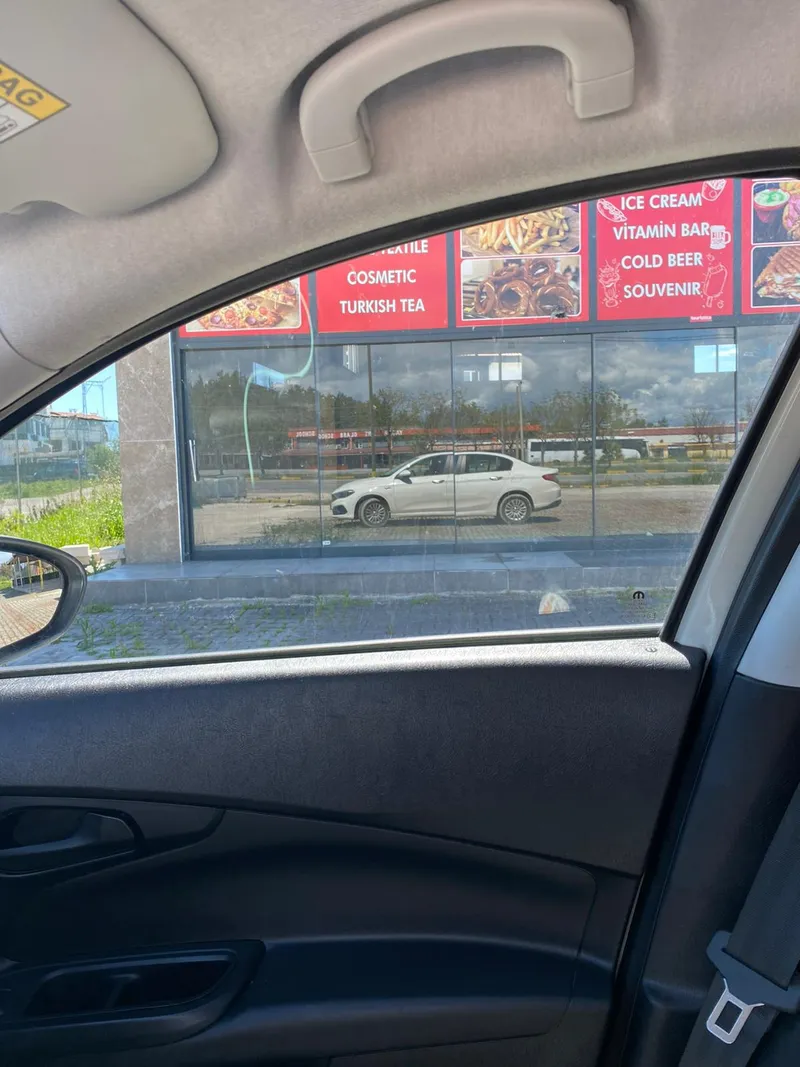

Renault Clio 5 in Turchia
Alla fine ho noleggiato una Hyundai I20. In generale, non c'erano differenze significative rispetto all'auto che avevo noleggiato inizialmente. È andato tutto bene, siamo stati accolti all'aeroporto e accompagnati all'ufficio della compagnia. L'auto è nuova, non ci sono reclami, durante l'ispezione abbiamo subito sistemato i piccoli danni. Abbiamo viaggiato benissimo per tutta la vacanza. Il responsabile si è fatto sentire, l'unico inconveniente è che non ha inviato immediatamente la conferma della prenotazione e del pagamento. Quando abbiamo riconsegnato l'auto, tutto si è svolto rapidamente e senza problemi. Il deposito è stato restituito per intero. Lo raccomando per la collaborazione 👍

Renault Clio 5 in Turchia
Tutto è andato bene. L'auto è nuova, pulita

Peugeot 3008 in Turchia
Tutto è andato alla grande, è stato molto comodo ricevere e consegnare l'auto.
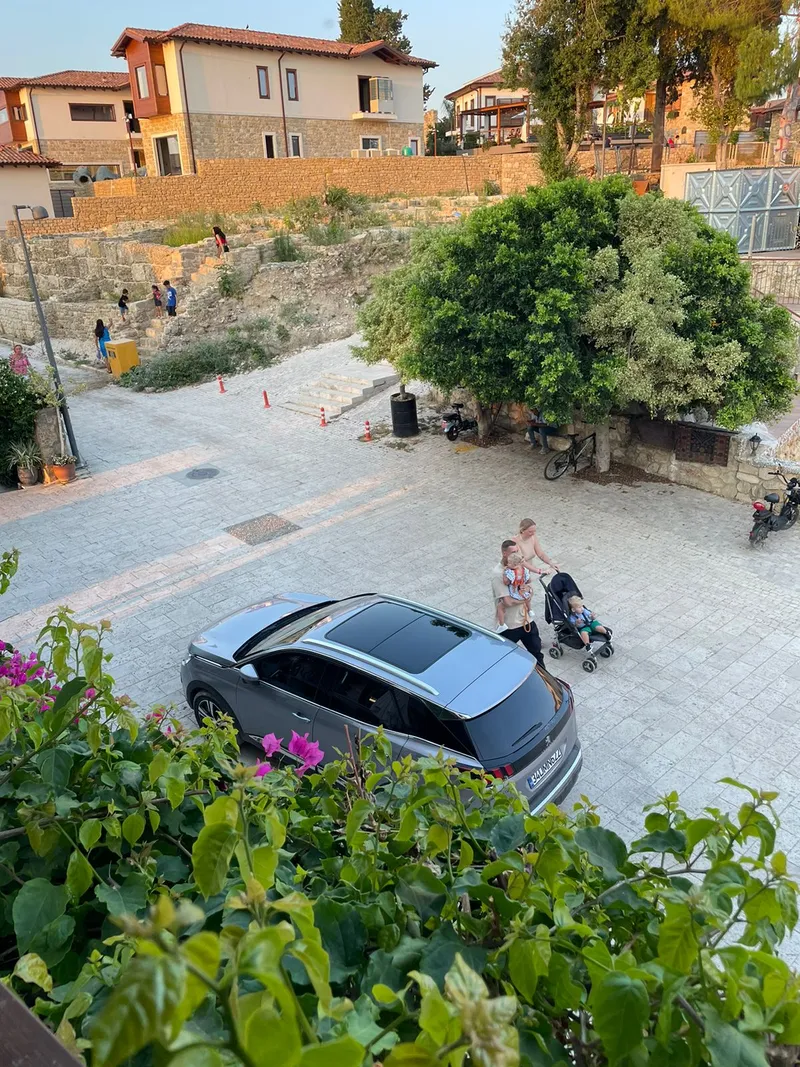

Fiat Fiorino in Turchia
Tutto è andato bene, comodo, veloce. Grazie
Dacia Duster in Turchia
Tutto va bene, ma è necessario stipulare un'assicurazione sullo scafo. In Turchia, gli autobus non manovrano bene in curva e possono investirvi.

Fiat Egea Multijet in Turchia
Tutto è andato alla perfezione. Sarò con voi per sempre. Grazie.
Citroen C-Elysee in Turchia
Mi hanno dato un'altra macchina. Mi hanno dato una Fiat, tutto è andato bene.

Jeep Renegade in Turchia
Tutto ok con la ricevuta e la restituzione. Tecnicamente e al telefono erano i ragazzi. Il difetto principale è stata la sostituzione dell'auto con un'altra senza preavviso, dopo il fatto. In realtà, eravamo interessati a un modello molto specifico e non ci è stato fornito. E di fatto siamo stati messi in una situazione di impossibilità di rifiuto (pagamento anticipato e messa davanti al fatto della sostituzione). La stagione non è alta, quindi doppiamente spiacevole.

Fiat Egea Urban in Turchia
Ottime condizioni dell'auto, sono contento di aver scelto il motore diesel. Ricezione e restituzione dell'auto - veloce e senza problemi. La raccomanderei!
Payment, deposits and what to expect
Local Turkish suppliers tend to be more flexible than international chains on payment. A credit card is rarely required — most accept debit cards online for the booking, and the balance plus deposit can be paid in cash on arrival, in USD or EUR. Deposits depend on the car class and the supplier. Economy cars usually start from $100, midsize from $200–500, and minivans up to $500. With several of our suppliers there is no deposit at all, while others waive it when full coverage is taken. "Where a listing says 'no deposit', that always means a specific tariff and a specific insurance policy underneath. So it's worth checking exactly what's covered before booking."
Payment, deposits and what to expect
Local Turkish suppliers tend to be more flexible than international chains on payment. A credit card is rarely required — most accept debit cards online for the booking, and the balance plus deposit can be paid in cash on arrival, in USD or EUR. Deposits depend on the car class and the supplier. Economy cars usually start from $100, midsize from $200–500, and minivans up to $500. With several of our suppliers there is no deposit at all, while others waive it when full coverage is taken. "Where a listing says 'no deposit', that always means a specific tariff and a specific insurance policy underneath. So it's worth checking exactly what's covered before booking."

-
Pay without a credit card
Local Turkish suppliers accept debit cards online for the booking. The balance and deposit can be paid in cash on arrival, in USD or EUR — without the credit card requirement that international chains insist on.
-
Deposits from zero
With several of our suppliers there is no deposit at all, and with others the deposit is waived when full coverage is taken. Useful if you'd rather not have a large hold sitting on a card for the duration of the trip.
-
Real photos and reviews
Each car listing shows the actual vehicle: real photographs, year, condition, reviews from previous clients and the specific terms from that owner. It removes the most common worry — that the car turning up won't quite match the picture.
What's worth knowing before the trip
Turkey works logically as a rental market, but it has a few peculiarities of its own — the toll system, insurance fine print, parking and winter rules. If you're across these before booking, the rest tends to fall into place.
Toll roads and the HGS system
Toll roads, bridges and certain tunnels in Turkey are managed through HGS (Hızlı Geçiş Sistemi) — a fully electronic system. A chip sticker is already mounted on the windscreen of nearly every hire car; at toll points, you simply slow down slightly and the charge is deducted automatically. Cash booths and barriers don't exist for this anymore.
"We always run through how HGS charges are calculated when handing over the car, and at what point they appear in the final invoice. That settles most questions before they arise."
The total for tolls is typically added as a single line on the final invoice at the end of the rental. A small administrative handling fee from the supplier is normal practice on the local market.
Insurance — what's included and what isn't
Third Party Liability (TPL) is included in every Turkish rental by law. Basic Comprehensive cover (CDW) is usually included as well, but it carries an excess and has standard exclusions: glass, tyres, wheels, the underside and the interior are typically not covered. For mountain routes and dense city driving, it's worth taking Super coverage (SCDW) or Full coverage (FDW), which closes those gaps.
"Full coverage only works when the rental terms are followed. If the named driver is at the wheel, the route is permitted, and the incident is reported correctly, there are no financial surprises. Where the contract is broken, coverage may apply only partially."
A note on alcohol. The legal limit in Turkey is 0.5‰, but it drops to zero if there is any passenger in the car — meaning the driver effectively has to be entirely sober. Anything above the limit voids any insurance policy, including Full coverage and Super coverage.
Fuel, fines and parking
Both petrol and diesel are common in Turkey. Diesel tends to be cheaper to run and pulls better on long drives and mountain routes, which is why it's frequently chosen for cross-country trips. Petrol stations are open round the clock; major ones take cards, smaller rural stations are often cash-only.
Turkish traffic enforcement is strict — motorways carry plenty of fixed and average-speed cameras. The good news: paying a fine on the spot earns a 25% discount, and paying within 15 days online or through PTT earns a further 25%.
"The simplest rule for visiting drivers in Turkey is to keep within the limits and to park only where it's clearly permitted. Fines find the car later through the rental supplier — they aren't easy to ignore."
Winter trips and mountain routes
For trips into the eastern provinces or the mountains — Erzurum, Kars, the Taurus range, the ski resorts — winter tyres and overall vehicle setup are worth confirming with the supplier in advance. Winter tyres do most of the work; chains are kept as a backup for heavy snow and difficult sections rather than a substitute for tyres. Cars set up for winter are booked first, so plan ahead.
"Winter rentals in Turkey go faster than people expect. The cars set up properly for snow are taken early in the season, and there is only so much that can be pulled together at short notice once the weather turns."
Driving style in Turkey runs at a faster pace than most European travellers are used to. Local drivers change lanes earlier, signal less consistently and rely on quick reactions from everyone around them. It isn't aggression — it's simply tempo. The first hour or two is best spent driving calmly, holding extra distance and adjusting gradually rather than trying to keep up immediately.
"The smoothest first days at the wheel in Turkey usually come from drivers who don't try to match the local pace straight away. After roughly twenty-four hours it stops feeling foreign, and from there it's natural enough."
If something goes wrong on the road, it's safer not to step out of the car or attempt to settle the matter on the spot. Turkish road law has tightened in recent years: stepping out and arguing can be classified as aggression, which carries substantial fines and the possibility of temporary licence and vehicle confiscation. Moving to a safe location and contacting the rental supplier is almost always the better course.
For accidents — even a scratch — the rule is consistent: don't move the vehicle, take photographs, contact the rental supplier and call 112 if the situation requires it. A police report is needed in Turkey for almost every incident; without it, insurance generally doesn't apply. Keeping the rental contract within reach is sensible.
"Following the routine carefully is what protects the driver: don't leave the scene, photograph everything, message us. The administrative side and the insurance side become our problem from there."
Vehicle handover deserves a moment of attention as well. Filming the body, wheels, glass, bumpers and interior at both pick-up and drop-off takes only a few minutes and removes most disagreements about pre-existing damage. It's also worth allowing extra time at return so the inspection doesn't sit awkwardly against a flight check-in.
When to book
There isn't a single peak season across Turkey. Istanbul fills up in spring and around long weekends. The Mediterranean coast peaks through summer and into early autumn. Mountain and ski regions are busiest in winter. Minivans and one-way rentals between cities run out earliest, so for those, booking well ahead is sensible. In quieter months the choice is wider and rates noticeably softer.
Below — the average daily rental price in Turkey by month.
- Gennaio
- Febbraio
- Marzo
- Aprile
- Mag
- Giugno
- Luglio
- Agosto
- Settembre
- Ottobre
- Novembre
- Dicembre
- Gen
- Feb
- Mar
- Apr
- Mag
- Giu
- Lug
- Ago
- Set
- Ott
- Nov
- Dic
Frequently asked questions
Not with most local Turkish suppliers. They typically accept debit cards for the online booking and allow the balance and deposit to be settled in cash on arrival, in USD or EUR. International chains in Turkey still tend to require a credit card in the main driver's name and rarely accept cash deposits, so it's worth filtering for local suppliers if a credit card isn't an option.
HGS is a fully electronic toll system covering Turkey's motorways, paid bridges and certain tunnels. A chip sticker is already mounted on the windscreen of most hire cars; at toll points you slow down slightly and the charge is deducted automatically. Cash booths no longer exist. Total toll charges are usually invoiced as a single line on the final bill at the end of the rental.
Deposits depend on the car class and the supplier. Economy cars usually start from $100, midsize from $200–500, and minivans up to $500. With several suppliers there is no deposit at all; with others, the deposit is waived when full coverage is taken. Choosing this configuration at the booking stage is more straightforward than trying to negotiate it on collection.
In most cases, no. Cross-border travel from Turkey is not permitted by the majority of suppliers. That includes Greece, Bulgaria, Armenia, Iran, Iraq and Syria. If your itinerary involves crossing into a neighbouring country, the practical approach is to drop the car on the Turkish side and continue with a separate rental or local transport from the border.
Yes, between major airports and cities — Istanbul, Antalya, Izmir, Dalaman, Ankara — most suppliers offer one-way rentals. The relocation fee scales with distance and typically starts from around $200–300. Stock for these journeys runs out faster in the high season, so booking in advance avoids disappointment.
The general limit is 0.5‰. However, if there is any passenger in the vehicle, the limit drops to zero — effectively requiring the driver to be entirely sober. Anything above the limit at the time of an accident voids any insurance policy, including Full coverage and Super coverage, and carries a substantial fine.
Most suppliers require drivers to be at least 22 years old with a minimum of two years' driving experience. Premium and 4x4 categories often start at 25. For drivers under 22 or 23, some suppliers will still arrange the rental but apply a young driver surcharge — typically around $10 per day.
Most European licences are accepted in Turkey on their own. UK government guidance recommends carrying an International Driving Permit alongside the domestic licence as a precaution, though it is not strictly required for short visits. For licences in scripts other than the Latin alphabet, an IDP is sensible.
Don't move the vehicle. Photograph the damage and the wider scene, contact the rental supplier and call 112 if the situation is serious. A police report is needed in Turkey for almost every incident — without it, insurance typically doesn't apply. The supplier will then guide the formal handling and the insurance side from their end.
Often, yes. Many local Turkish suppliers apply a 150–250 km daily mileage cap, with each kilometre over the limit charged separately. For longer routes — the coastal drive from Antalya to Fethiye, or a trip to Cappadocia — choosing an unlimited-mileage tariff at booking is the more practical option. The setting is filterable when comparing cars.
The body, wheels, glass, bumpers, lights and interior are best filmed on a short video. Check the fuel level and the presence of the HGS sticker, the first-aid kit and the warning triangle. Any noted damage should be marked on the contract before driving away. The whole process takes a couple of minutes and removes most disagreements at return.
Generally, yes. Both petrol and diesel typically run noticeably below the prices in Greece, Italy and most of Western Europe — often the difference funds a meaningful share of the trip's driving budget. Diesel is the cheaper option per kilometre in Turkey and is usually preferred for long-distance and mountain routes.