


Ritiro


Riconsegna
🎁 Utilizzate il codice WELCOME3 durante il checkout per ottenere uno sconto sulla vostra prima prenotazione con noi. Buon divertimento! ☀️

Il noleggio auto in Turchia apre il paese in un modo che nessun pullman o escursione organizzata può eguagliare. Le distanze sono ampie e gran parte di ciò che rende la Turchia un viaggio degno di nota — dalla costa licia alla Cappadocia — si trova a poche ore dall'aeroporto.
Per la maggior parte degli ospiti italiani, l'auto diventa parte della vacanza. Tre o quattro giorni dal villaggio all-inclusive per raggiungere Pamukkale o le gole di Saklıkent; due settimane sulla costa tra Antalya e Kaş; oppure uno spostamento di città in città in bassa stagione, quando i prezzi calano.
«La maggior parte degli ospiti si aspetta un piccolo dramma al ritiro — pratiche, code, costi nascosti. Abbiamo lavorato molto per evitare tutto questo. Voucher, chiavi, video, e via.»
Il pagamento è semplice. Visa, Mastercard, Maestro, PostePay e contactless sono accettati ovunque; le carte di credito sono richieste solo dalle catene internazionali, mentre i fornitori locali accettano depositi in contanti in EUR, USD o lire turche. La maggior parte degli ospiti versa un acconto online del 15–20% e salda il resto al ritiro.
«La domanda più frequente è se serve davvero una carta di credito qui. Risposta onesta: con noi no. Una carta di debito o contanti bastano in quasi tutti i fornitori locali.»
La flotta parte dalla FIAT Egea — l'auto a noleggio più diffusa in Turchia — e arriva fino a monovolume da otto posti. La maggior parte delle auto è del 2020 o più recente.
Cosa serve per noleggiare un'auto in Turchia
I requisiti sono pochi: passaporto con timbro d'ingresso e patente di guida valida. La patente B europea è accettata direttamente, senza documenti aggiuntivi. Le patenti in alfabeti non latini richiedono in genere un permesso internazionale (IDP). Per chi viaggia dall'Italia con patente B UE non serve altro.
«Non abbiamo mai avuto un ospite respinto per la patente. Con una normale patente B italiana ed europea si parte tranquilli a qualunque sportello.»
L'età minima è 21 anni con almeno due anni di esperienza. I modelli premium, i 4×4 e i monovolume richiedono di solito 25 anni. I conducenti sotto i 25 pagano un supplemento giovane conducente — circa 10 $ al giorno con la maggior parte dei fornitori locali.
Il pagamento è amichevole per gli ospiti europei. Visa, Mastercard, Maestro, PostePay, Revolut Italia, contactless, Apple Pay e Google Pay funzionano tutti per l'acconto online. Al ritiro, i fornitori locali accettano anche contanti in EUR, USD o lire turche; le catene internazionali insistono sulla carta di credito intestata al conducente principale.
«Portate una carta di debito e un paio di centinaia di euro in contanti. Copre quasi ogni combinazione — acconto, rifornimento, o un caffè in aeroporto.»
Prima di lasciare il parcheggio, controllate l'auto rispetto al voucher: modello, anno, cambio, alimentazione. Sostituzioni silenziose «della stessa categoria» capitano in alta stagione.
La maggior parte dei turisti in Turchia inizia il loro viaggio qui
Quanto costa noleggiare un'auto in Turchia
I prezzi seguono la stagione. In bassa stagione una FIAT Egea — l'auto a noleggio più comune in Turchia — parte da 8–10 $ al giorno col manuale e 12–15 $ per l'automatico. La fascia media come Renault Megane o Hyundai i30 si attesta sui 12–20 $. I monovolume familiari vanno sui 60–80 $.
In alta stagione (giugno–settembre) i prezzi triplicano: la Egea parte da 35 $, la fascia media 45–55 $, i monovolume 120–180 $. A luglio e agosto le auto migliori spariscono settimane prima, quindi noleggiare a Bodrum o ad Antalya conviene prenotarlo per tempo.
«Agosto ad Antalya è tutto esaurito con un mese di anticipo. Se atterrate in piena stagione, non aspettate di toccare terra — vi restano gli scarti e un prezzo peggiore.»
Oltre alla tariffa giornaliera, il voucher di solito include: RCA (responsabilità civile auto, obbligatoria per legge), Kasko base (CDW), supplemento aeroportuale, Kasko completa opzionale, supplemento giovane conducente e tariffa one-way se restituite altrove. Pedaggi e multe sono fatturati in seguito con un piccolo costo amministrativo.
«Il prezzo sul voucher è il prezzo che pagate. Se una voce non è nel dettaglio, non comparirà neanche in fattura.»
I depositi in contanti dipendono dalla categoria: circa 100 $ per un'economy, 200–300 $ per la fascia media e fino a 500 $ per un monovolume. Alcuni fornitori offrono tariffe a deposito zero — paghi la Kasko completa e non viene bloccato nulla.

Fiat Egea Multijet in Turchia
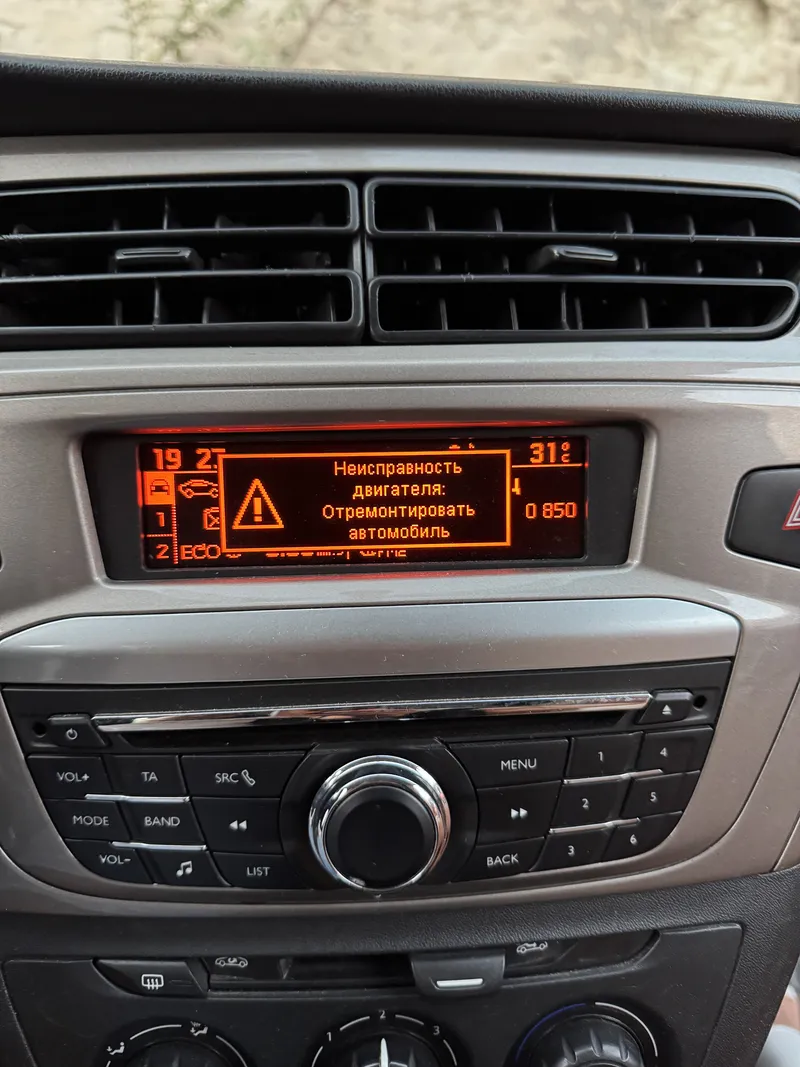
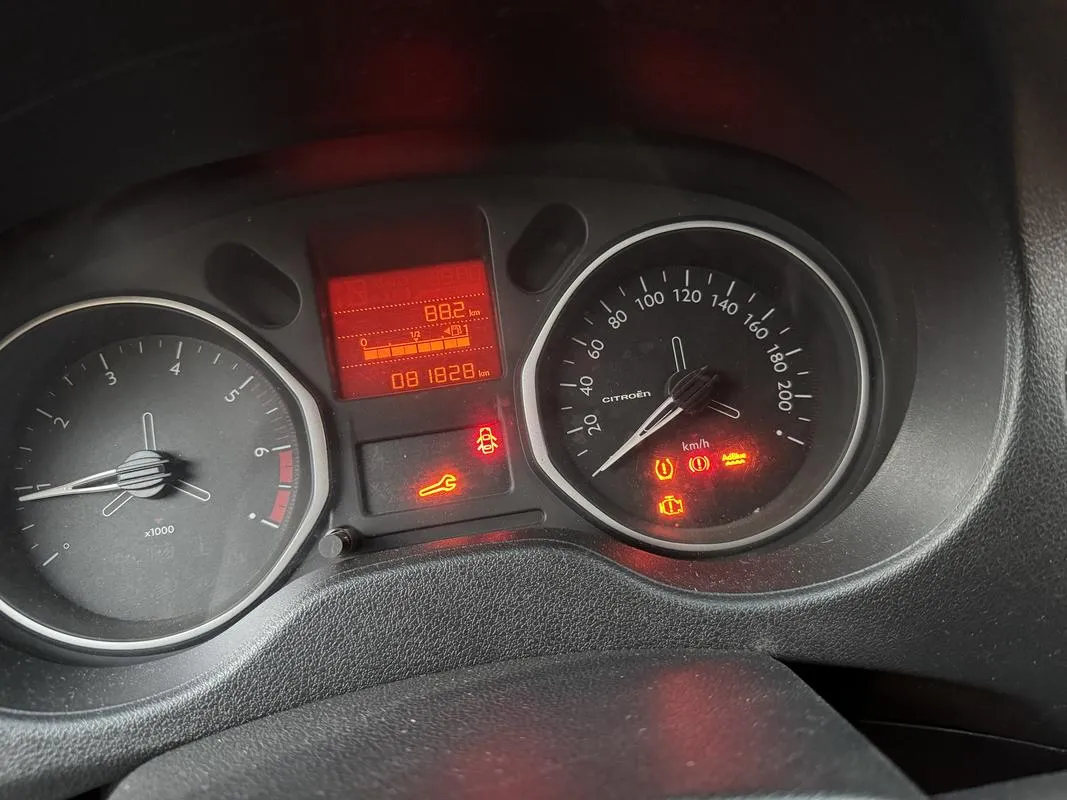
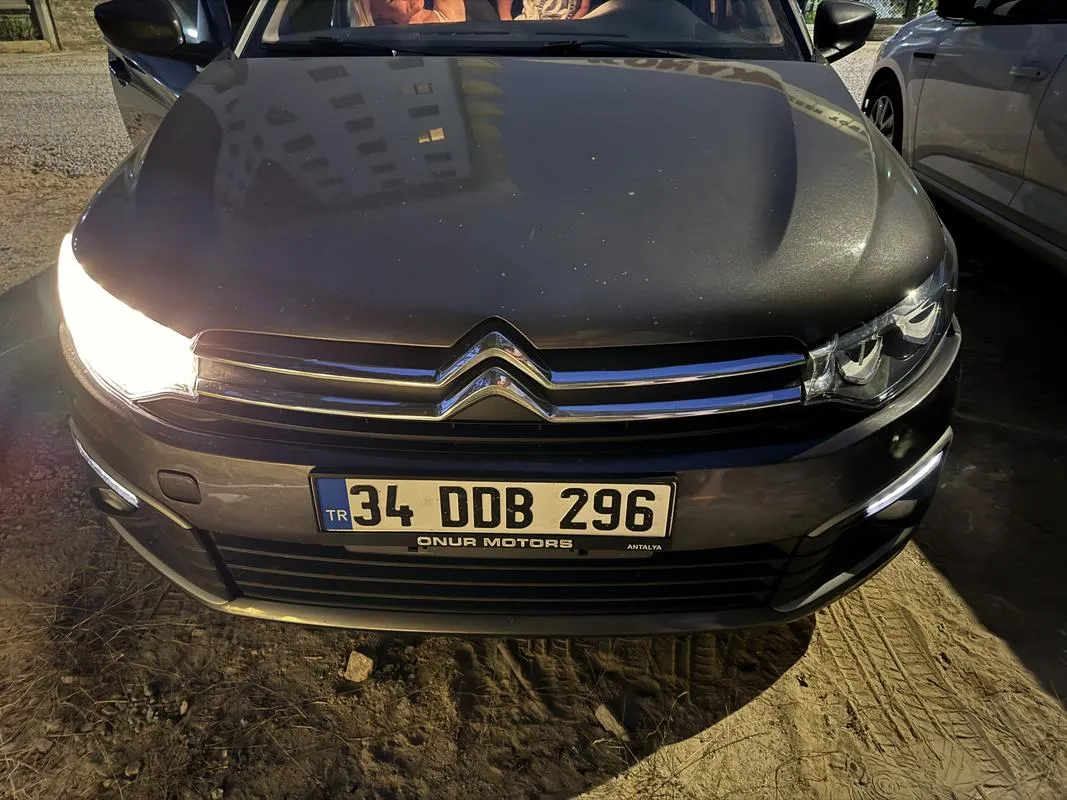
L'auto con un chilometraggio superiore a 80 000 km, interni affumicati, sedili bruciati con macchie di sale, odore di gasolio nell'abitacolo, errore di controllo del motore? Periodicamente spunta un errore sui freni e sull'ABS? Il faro destro non è acceso, i fendinebbia non sono avvitati, cadono dal paraurti, il paraurti stesso è anche tenuto sul moccio, apparentemente dopo l'incidente (le lacune sulla foto possono essere viste). I tergicristalli si sono strappati dai gommini, cioè non funzionano. Peccato che il sito non permetta di aggiungere altre foto. Tutte le richieste di sostituzione dell'auto o di rimborso sono state ignorate o respinte a causa della mancanza di un'altra auto, anche se sul sito c'era la possibilità di prenotare da questo noleggio. L'auto è stata prenotata per 46 giorni e una settimana prima della consegna ci è stato offerto di portare l'auto in riparazione, tuttavia non è stata fornita alcuna auto o risarcimento in cambio e siamo stati costretti a rifiutare. in generale. Il servizio tackecars stesso ha preso le nostre difese, ci ha rimborsato la commissione e si è scusato.

Dacia Lodgy in Turchia
Siamo molto grati alla vostra azienda per l'auto, è la terza volta che prenotiamo con voi. Sistema semplice e comodo nel trasferimento dell'auto ed è molto importante che anche la consegna dell'auto sia veloce e comoda per noi! Mohammed Mustafa Diri è molto cordiale e orientato al cliente, cosa che non può piacere a tutti i clienti! Grazie ancora per l'aggiornamento! Torneremo sicuramente da voi! 🤝
Fiat Egea Multijet in Turchia
Quando ho noleggiato tramite il vostro sito web sono rimasto piacevolmente sorpreso dai prezzi e dalle condizioni di assicurazione e dall'assenza di restrizioni sul chilometraggio. Era la prima volta che ordinavo da voi. All'arrivo sono stato accolto prontamente, comunicando in inglese. Sono rimasto sorpreso dal fatto che ho dovuto pagare il noleggio solo in dollari in contanti. Avevo intenzione di pagare con carta in lire al tasso di cambio. Pensavo che la cassa fosse in ufficio e che avrebbero accettato le carte. Per mia fortuna avevo con me una piccola quantità di dollari ed euro, che sono stati sufficienti per pagare il noleggio. L'auto mi è stata consegnata pulita, ma senza benzina. Ma il gestore mi ha subito spiegato come fare il pieno alla stazione di servizio più vicina. Due giorni prima della fine del noleggio, ho avuto uno spiacevole incidente durante il viaggio: la ruota posteriore cigolava. Era spaventoso muoversi, perché il cigolio era molto probabilmente legato ai freni dell'auto. Il gestore non ha fornito alcun supporto. Ha solo inviato un numero di telefono. Ho capito che si trattava di un servizio di assistenza. Ma questo numero non era parlato né in inglese né in russo. Quindi non ho potuto descrivere il problema al telefono. Ho inviato un video e una descrizione del problema al manager via WhatsApp. Lui stesso non si è occupato del problema. A mio rischio e pericolo ho percorso l'autostrada per restituire l'auto. Per fortuna sono arrivato a destinazione e ho restituito l'auto, spero che venga revisionata prima di consegnarla a un altro cliente. Al momento della consegna dell'auto in aeroporto, il gestore ha dovuto pagare il pedaggio stradale. Hanno detto che l'importo poteva essere pagato con la carta. Ma il gestore non aveva con sé un terminale, quindi ha preso la mia carta e ha semplicemente dettato tutte le cifre e il codice segreto della carta e mi ha fatto pagare a distanza. Questa procedura non è affatto sicura, e non è piaciuta molto neanche a me.

Citroen C3 in Turchia
Tutto è andato bene) Ci è stato fatturato in dollari, quando siamo arrivati ci è stato addebitato in euro, ma poi ha ricalcolato e restituito la differenza quando abbiamo consegnato l'auto.
Fiat Egea in Turchia
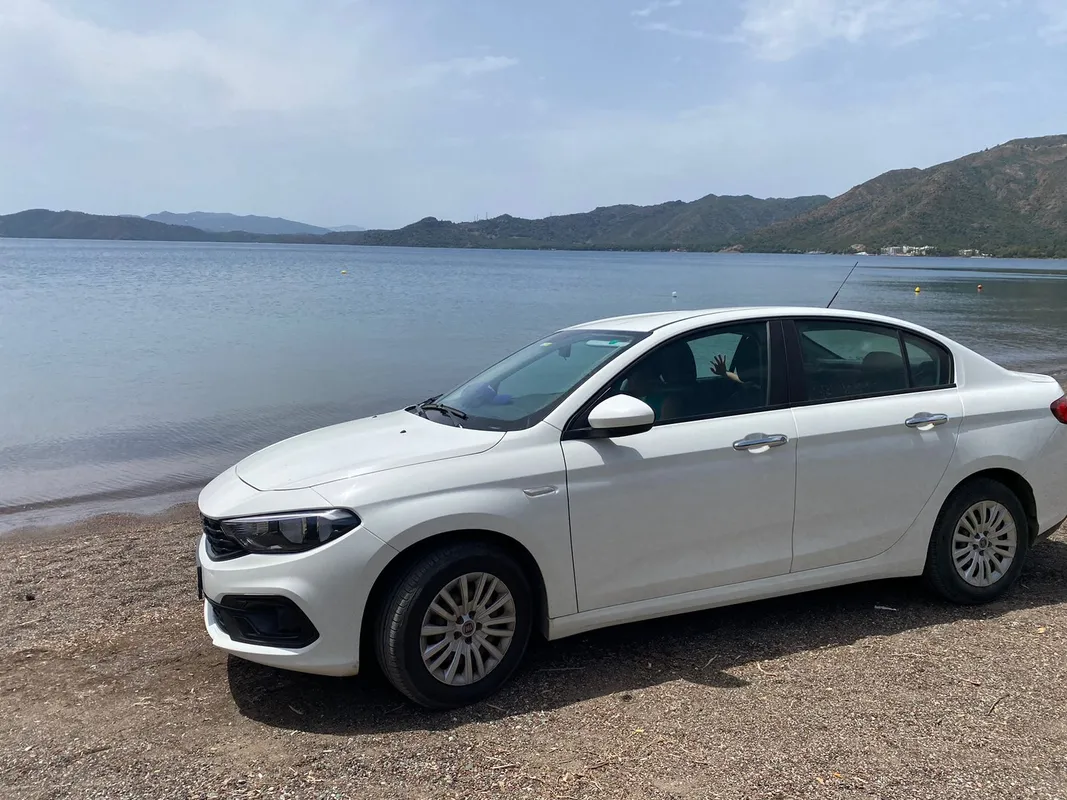
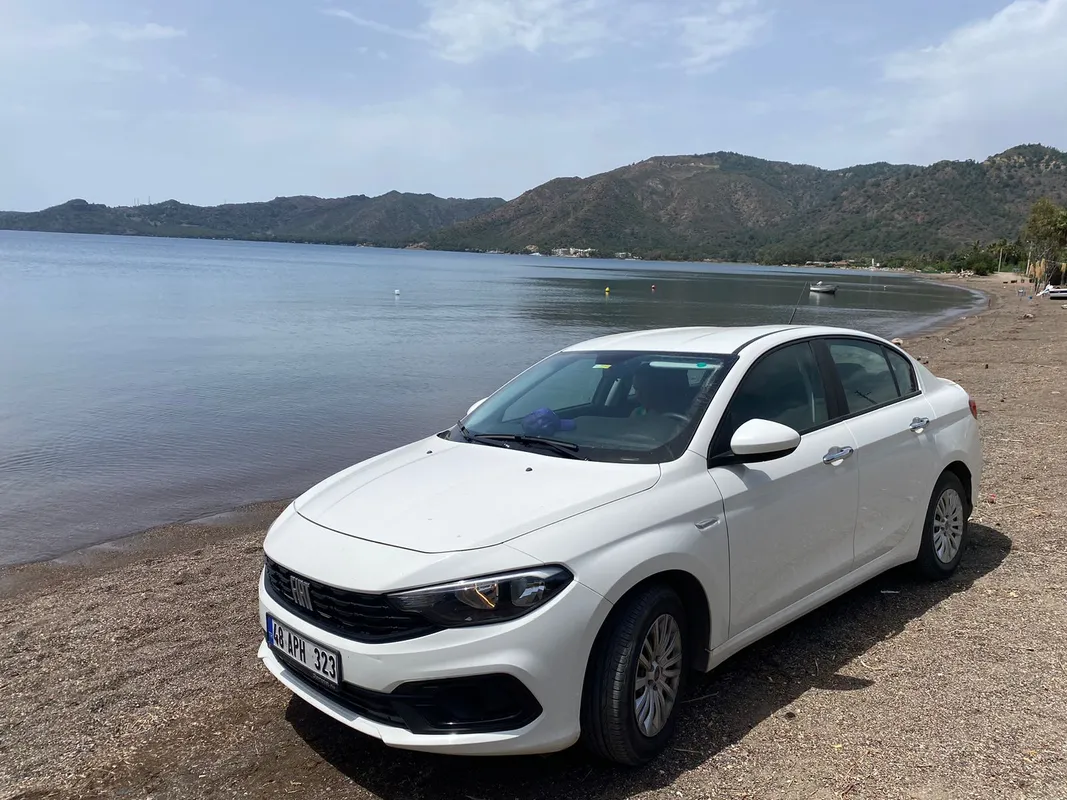
Grazie mille per il servizio, tutto è andato alla perfezione. L'auto è stata consegnata all'aeroporto, al ritorno nell'area delle partenze un dipendente ha ritirato l'auto. La registrazione ha richiesto un tempo minimo, il deposito è stato restituito senza problemi. L'auto era in buone condizioni tecniche, consiglierei il servizio ai miei amici.
Dacia Duster in Turchia
Tutto è eccellente e chiaro. Al posto del duster c'era una Peugeot 2008, in ottime condizioni. L'auto è stata portata in hotel e ritirata in albergo. Nessuna domanda e nessuna lamentela, tutto è chiaro

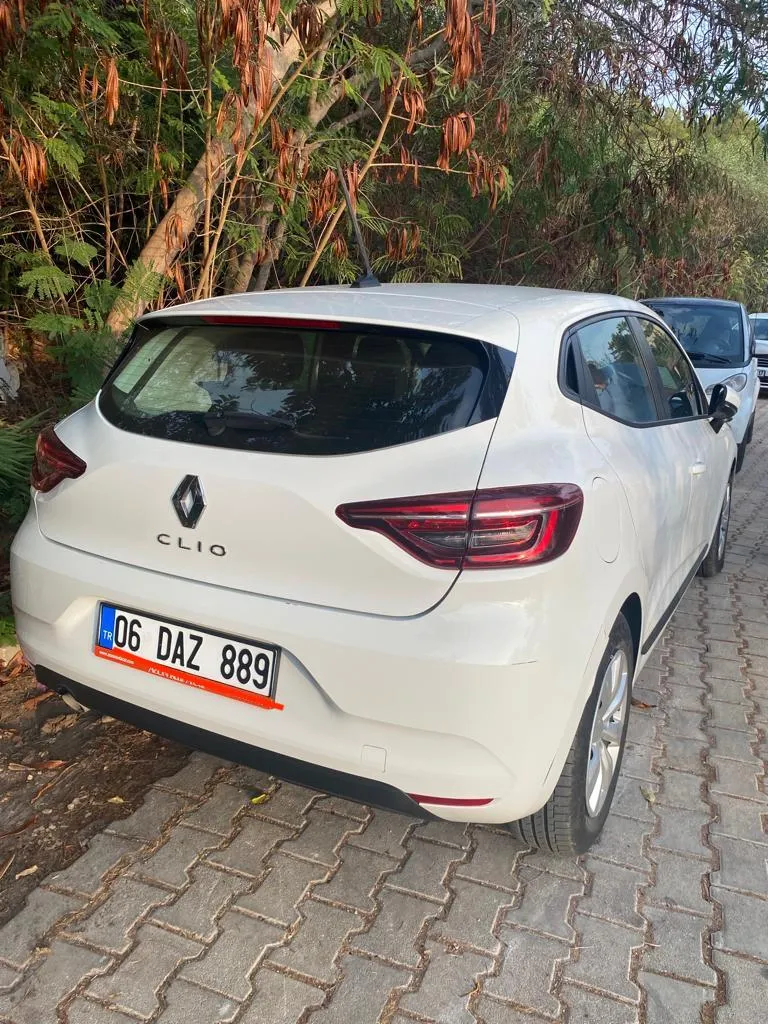
Renault Clio 5 in Turchia
Tutto è andato bene come concordato, l'auto era diversa, nessuna lamentela, il salone è pulito.
Hyundai i20 in Turchia
Tutto bene Grazie
Fiat Egea in Turchia
Tutto è andato bene, ci hanno incontrato, ci hanno portato in ufficio, abbiamo ritirato l'auto. L'auto è stata sostituita con una Opel Corsa a benzina 95, sebbene avessi prenotato una Fiat Egea a benzina 95. L'auto è stata sostituita con una Opel Corsa a benzina 95, anche se avevo prenotato una Fiat Egea a diesel, ma non era troppo importante per noi.

Renault Megane Sedan in Turchia
Tutto è andato bene. All'inizio c'è stato qualche errore di comunicazione, a quanto pare non sono state ricevute tutte le informazioni, ma abbiamo risolto, ho mostrato loro il voucher di prenotazione con il prezzo e ciò che avevo prenotato e tutto è stato risolto. Non c'era la Renault Megane Sedan, ma ci hanno dato un'auto migliore, un'Alfa Romeo nuova di zecca).

Renault Taliant in Turchia
È andata bene.

Renault Symbol in Turchia
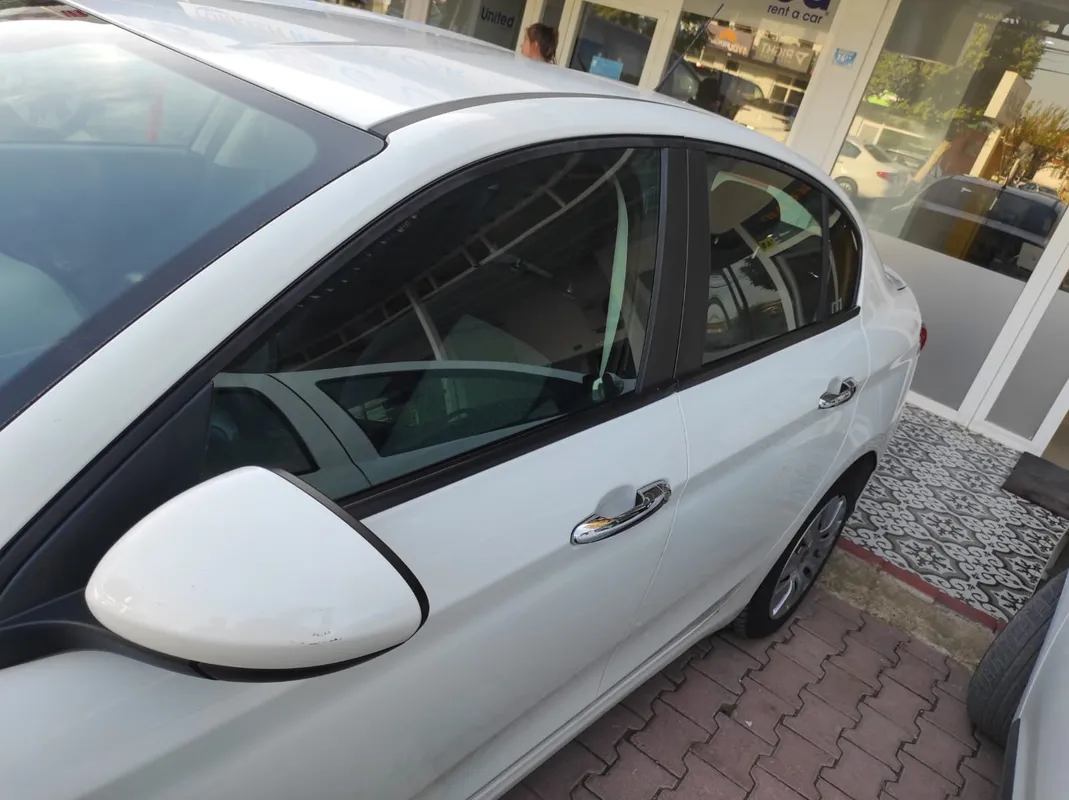
Tutto sommato, tutto bene, non posso dire niente di male. Alla fine ho preso una Fiat Agea o qualcosa del genere.... L'unica cosa sul sito web dice che l'assicurazione è inclusa nel prezzo, ma in realtà non è così. Ho dovuto pagare un extra per l'assicurazione. Ma in sostanza va tutto bene...
Renault Clio 5 in Turchia
Servizio eccellente, abbiamo noleggiato un'auto, prepagata con una carta Mir, il che è molto conveniente. All'arrivo siamo stati accolti all'aeroporto e poi accompagnati. L'auto è buona. Tutto è ottimo, grazie!

-
Recensioni verificate su ogni singola auto
Vedete come ha effettivamente reso questa Egea o questa Duster, non solo una media del fornitore.
-
Il prezzo sul voucher è il prezzo che pagate
Tutte le tasse, l'assicurazione base e i supplementi sono inclusi — niente ricalcoli allo sportello.
-
Cancellazione gratuita fino a 7 giorni, più messaggistica diretta col fornitore
Concordate i dettagli con la persona che vi consegnerà davvero le chiavi.
Pedaggi, ponti sul Bosforo e sistema HGS
Da marzo 2022 la Turchia utilizza un unico sistema di pedaggio sulle autostrade — l'HGS (Hızlı Geçiş Sistemi). Le barriere sono state rimosse; ai punti di pedaggio non si accettano né contanti né carte. Ogni auto a noleggio ha un adesivo HGS attivo sul parabrezza, e l'addebito è scalato automaticamente al passaggio sotto il portale.
«Non serve nemmeno rallentare. L'adesivo si legge a 30 km/h come a 110 — conta che sia sull'auto.»
I ponti di Istanbul
Le traversate del Bosforo hanno la loro logica. Su tre ponti — 15 Temmuz Şehitler, Fatih Sultan Mehmet e Yavuz Sultan Selim — si paga solo in una direzione, Europa → Asia. Il ritorno è gratuito. Il ponte Osmangazi (sull'autostrada Istanbul–Izmir) e il tunnel Eurasia sotto il Bosforo si pagano in entrambe le direzioni.
«Molti turisti pagano di più perché pianificano andata e ritorno sullo stesso ponte. Se attraversate spesso, fate il ritorno sul 15 Temmuz — di lì è gratis.»
Quanto costa
Cifre indicative 2026: tunnel Eurasia circa ₺225 di giorno, ponte Osmangazi circa ₺795, Istanbul–Ankara circa ₺150, Istanbul–Izmir circa ₺500. Esistono alternative gratuite quasi ovunque, ma aggiungono 30–90 minuti.
«L'HGS è fatturato dopo la restituzione. Un piccolo costo amministrativo è prassi — il nostro è fissato in contratto, niente sorprese a posteriori.»
Tutte le auto che offriamo viaggiano con HGS attivo, ma vale la pena confermarlo al ritiro.
Codice della strada, multe e parcheggio
I limiti sono familiari come sull'A1: 50 in città, 90 sulle extraurbane, 120 in autostrada. Esiste un minimo di 40 km/h in autostrada. Autovelox e tratti a velocità media sono frequenti agli ingressi.
Alcol alla guida
La Turchia ha una regola insolita: 0,5‰ per chi guida da solo, ma 0,0‰ non appena si trasporta un passeggero — adulto o bambino, non fa differenza. La multa per la prima infrazione è di circa ₺6.400.
«La regola sembra strana finché non si capisce la logica — guidi da solo, decidi tu; porti un passeggero, sei responsabile. Oltre lo 0,5‰ qualunque assicurazione decade.»
Bambini, rilevatori radar, dotazioni
I bambini sotto i 12 anni viaggiano sui sedili posteriori; sotto i 135 cm serve un seggiolino. I fornitori chiedono 3–7 $ al giorno — meglio aggiungerlo in prenotazione. Rilevatori radar e disturbatori sono illegali, compresi quelli integrati nei navigatori.
Multe e parcheggio
Il sistema turco premia il pagamento rapido: 25% di sconto sul posto, altro 25% entro 15 giorni. Le multe via autovelox sono inoltrate dal fornitore con un costo amministrativo di 15–30 $. A Istanbul centro il parcheggio è a pagamento — usate İSPARK o l'hotel. Intorno a Marmaris e Fethiye da Dalaman i resort offrono parcheggio gratuito.
«Parcheggiare nel centro di Istanbul è una caccia. A Sultanahmet andate dritti in un parcheggio İSPARK — prenderete una multa prima di trovare un posto libero.»
Assicurazione, incidenti e attraversamento dei confini
La RCA è obbligatoria per legge in Turchia ed è inclusa in ogni noleggio. Anche la Kasko base (CDW) è di solito compresa, con una franchigia: paghi un importo fisso in caso di danno e l'assicuratore copre il resto. Esclusioni standard: vetri, ruote, cerchi, sottoscocca, interni.
«Circa il 70% sceglie la Full Coverage. A Istanbul o sui tornanti della Cappadocia, 1.500 $ di franchigia sono una strisciata. La Full Coverage elimina quel rischio per 8–15 $ al giorno.»
Cosa copre la Super CDW
La Super CDW copre vetri, ruote, cerchi e furto, e azzera la franchigia. Non copre guida in stato di ebbrezza sopra lo 0,5‰, fuoristrada, pedaggi non pagati o traino. Per i percorsi di montagna è standard; sulla costa a Belek, Side o Kemer molti restano sulla copertura base.
Cosa fare dopo un incidente
Dopo qualsiasi incidente, anche un piccolo graffio, chiamate il 154 (polizia stradale). Il verbale è obbligatorio — senza, nessuna assicurazione paga e la riparazione esce dal deposito. Non spostate l'auto; avvisate il fornitore in parallelo.
«Non provate a sistemarla sul posto. Senza verbale, l'assicurazione turca non scatta — il noleggiatore resta solo col conto.»
Attraversamento dei confini
Di solito non consentito. L'assicurazione decade ai confini con Grecia, Bulgaria, Armenia e Iran. La Georgia è talvolta possibile con autorizzazione scritta. Cipro Nord in traghetto da Taşucu, occasionalmente.
Il costo del noleggio auto in Turchia varia a seconda della stagione e della durata del noleggio.
- Gennaio
- Febbraio
- Marzo
- Aprile
- Mag
- Giugno
- Luglio
- Agosto
- Settembre
- Ottobre
- Novembre
- Dicembre
- Gen
- Feb
- Mar
- Apr
- Mag
- Giu
- Lug
- Ago
- Set
- Ott
- Nov
- Dic
 Quanto costa noleggiare un'auto in Turchia: prezzo medio giornaliero per tutte le classi di auto con un noleggio di 7 giorni.
Domande frequenti
Sì, tra le città e gli aeroporti principali — Istanbul ↔ Antalya, Antalya ↔ Izmir, Antalya ↔ Dalaman e simili. La tariffa one-way parte da 200–300 $ a seconda della distanza e del fornitore. In alta stagione queste auto si esauriscono in fretta, quindi prenotate per tempo. Il one-way internazionale fuori dalla Turchia non è ammesso.
Non per legge, ma fortemente consigliati nella Turchia orientale, sui monti del Tauro, in Cappadocia e sulla costa del Mar Nero da novembre ad aprile. Le catene sono utili come riserva sui passi montani. Le gomme chiodate sono vietate ovunque in Turchia. Per Antalya, Bodrum e Izmir gli pneumatici invernali sono di solito superflui.
Istanbul IST è adatto alla città e al nord-ovest. Sabiha Gökçen SAW è più vicino al lato asiatico e base utile per la Cappadocia. Antalya AYT è l'hub principale della Riviera turca. Dalaman DLM serve Marmaris, Fethiye e Ölüdeniz; Bodrum BJV la costa egea; Izmir ADB Efeso e Çeşme.
Capita più spesso in Turchia che nell'Europa occidentale. Alcuni fornitori consegnano l'auto con una quantità minima di carburante e la richiedono indietro nello stesso modo — la convenzione pieno-a-pieno non è universale qui. Fotografate il cruscotto al ritiro e assicuratevi che il livello del carburante sia registrato sulla scheda di ispezione dal fornitore.
Con i nostri fornitori locali no. Una carta di debito, Maestro, PostePay o contactless basta per l'acconto online, e il saldo più il deposito cauzionale possono essere pagati in contanti al ritiro (EUR, USD o lire turche). La carta di credito intestata al conducente principale è richiesta solo dalle catene internazionali come grandi catene, grandi catene, grandi catene, grandi catene ed grandi catene.
Sì. La patente B italiana ed europea è accettata direttamente, senza documenti aggiuntivi. Non serve né traduzione giurata né permesso internazionale. Vale per tutta la durata della vostra permanenza turistica fino a sei mesi dall'ingresso. Solo le patenti in alfabeti non latini richiedono in genere un IDP.
Per i conducenti italiani ed europei no — la patente B europea è sufficiente in tutti gli sportelli di noleggio e ai controlli stradali. Le forze dell'ordine turche riconoscono il documento UE. Solo le patenti in alfabeti non latini (cirillico, cinese, arabo) richiedono un permesso internazionale di guida.
21 anni con almeno due anni di esperienza di guida. Le auto premium, i 4×4 e i monovolume richiedono di solito 25 anni. I conducenti tra i 21 e i 24 pagano un supplemento giovane conducente di circa 10 $ al giorno. Raramente esiste un limite massimo di età, anche se alcuni fornitori chiedono un certificato medico oltre i 70.
Dipende dalla categoria: circa 100 $ per un'economy, 200–300 $ per la fascia media e fino a 500 $ per un monovolume. Con i fornitori locali il deposito è di solito pagato in contanti e restituito sul posto alla riconsegna dell'auto integra. Esistono tariffe a deposito zero pagando in anticipo la Full Coverage.
L'HGS è l'unico sistema di pedaggio elettronico sulle autostrade turche dal 2022. Ogni auto a noleggio ha un adesivo attivo e l'addebito è scalato al passaggio sotto il portale. Cifre indicative: Istanbul–Ankara circa ₺150, Istanbul–Izmir circa ₺500. Il fornitore fattura l'HGS dopo la restituzione, con un piccolo costo amministrativo fissato in contratto.
Solo nella direzione Europa → Asia. I tre ponti sospesi (15 Temmuz, Fatih, Yavuz) sono gratuiti nella direzione opposta. Il ponte Osmangazi sull'autostrada per Izmir e il tunnel Eurasia sotto il Bosforo si pagano in entrambe le direzioni. Il pagamento è solo HGS — al casello non si accettano né contanti né carte.
0,5‰ per chi guida da solo, e 0,0‰ non appena è a bordo un passeggero — adulto o bambino. Questa regola coglie di sorpresa molti turisti. Moto, furgoni e qualunque veicolo con rimorchio hanno un limite di 0,2‰. La multa per la prima infrazione è di circa ₺6.400 e qualunque assicurazione decade oltre lo 0,5‰.
Sì. La legge turca richiede un verbale di polizia (chiamate il 154, polizia stradale) per qualsiasi danno, compreso un graffio. Senza il verbale l'assicurazione non paga e la riparazione viene scalata dal deposito. Non spostate l'auto finché non arriva la polizia. Avvisate il fornitore in parallelo — vi guideranno sul posto.
Attraversare verso Grecia, Bulgaria, Armenia, Iran, Siria o Iraq non è consentito — l'assicurazione decade al confine. La Georgia è talvolta possibile con autorizzazione individuale e un supplemento di 100–200 $. Cipro Nord è occasionalmente consentita in traghetto da Taşucu o Mersin con autorizzazione scritta. La Repubblica di Cipro è chiusa alle auto turche a noleggio.
Spesso sì — 150–250 km al giorno con alcuni fornitori turchi, una differenza rispetto al chilometraggio illimitato standard in gran parte d'Europa. Superarli costa 0,20–1 $ per km. Per percorsi lunghi come Istanbul–Cappadocia (730 km) o Antalya–Pamukkale (240 km), scegliete una tariffa a chilometraggio illimitato in prenotazione.